
In this article
So I’ve worked in SEO and digital marketing for around 10 years now and have seen many different algorithm updates, SEO strategies, and changes in the search landscape.
With the growth in AI assistant LLM tools like ChatGPT, Claude, and Gemini the user behavior is definitely changing around how people are finding the answers to their questions.
Moving forward, a lot of queries and questions that are input into either an AI assistant tool or a standard Google search are ending in the tool giving the person a direct answer to their question that saves the user time and gets them specifically what they need.
When Google search was purely 10 blue links with a web search it required that people click through multiple different websites, scan multiple different articles, and spend a lot more time trying to figure out the answer to their question or query. And it also wasn’t customized.
With AI answers and AI tools each person now has the ability to get a more customized and specific answer about what they are searching for in a shorter amount of time.
The answer is simply served straight to them.
In this article, I will dive into how search is changing with AI, how some of the core principles are still the same, and what this means for both online businesses and SEO professionals.
How Search is Changing
First, let’s talk about how search behavior is changing.
In the past, when someone would search on Google they would get 10 blue links and be required to browse through multiple different websites to find either the answer they were looking for or the product they needed to buy.
This took a considerable amount of time and research on the users end to find what they needed.
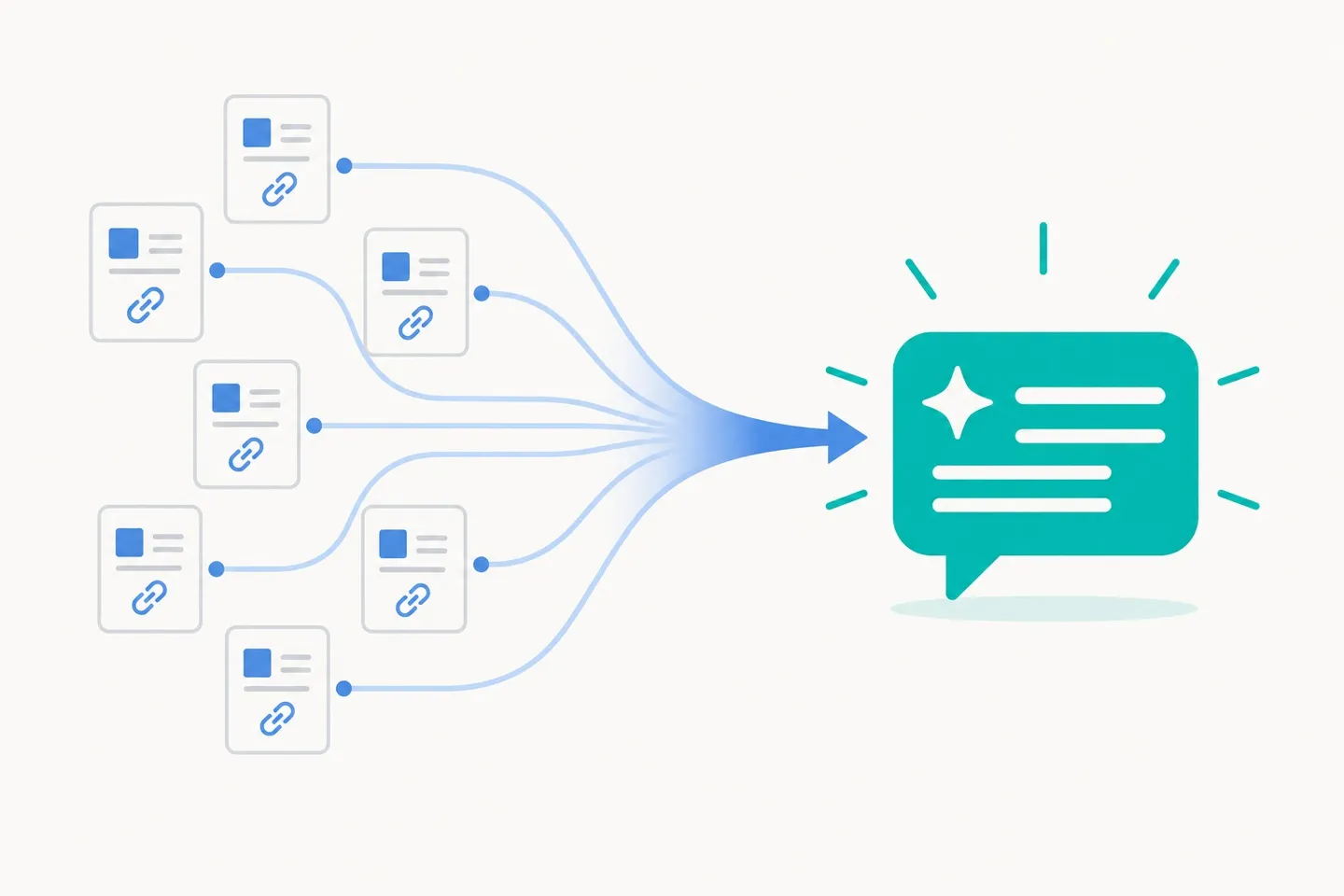
With the growth of AI assistants people are now getting a specific and customized answer served straight to them after they ask a question. This saves time and stress used to find what they need.
As the AI models get smarter and smarter the trust in serving the correct answer will grow as well and I think most people will get better at talking to the AI and getting the right answers directly served to them.
This means that the type of searches that end in one direct answer from an AI tool may continue to grow and the need for many different websites in searching for an answer may continue to decrease.
I think that there is still a need for many different websites and sources of content for the AI to cite and use in creating its answer, but the way in which the answer is served is being condensed.
If users continue to use AI tools more and more over time to find what they are looking for I think the search behavior will change more so into being a simple chat with a tool where the tool gives the user one answer which cites and links out to multiple different sources.
So basically, search is still search but the process of how people search and how people receive an answer is changing a bit.
How Does This Change SEO?
While a lot of the core principles of SEO will still stay the same there will definitely be some major changes in how online publications are found and presented.
Here are the core principles that I think will stay the same:
Quality & Uniqueness Of Content
If you think about content in general as being something that is a source of information about a topic, the same core principles will apply.
If a brand or person has original research, data, depth of coverage, timing to market, or a unique angle or experience on a certain topic this content when surfaced on the web and to other people will gain credibility in the form of mentions, shares, links, and usage in helping users. And it will then get picked up and cited by AI as well.
The more a brand or content from a brand is shared, mentioned, linked to, or cited around the web in different places the higher chance that AI will then use that content to include in the answer they present on the topic.
What this means is that the quality, uniqueness, depth, and real life experience in content will still matter in getting picked up and cited by AI tools and served to users on the web.
The reality is that people still want credible and trustworthy answers that come from reputable sources with real people doing the work.
An AI robot can help find the answer and do the manual work for people or even help to create the content, but when it comes to expertise in the actual topic and real life experience and testing, humans are still needed to help create this information.
Brand Authority & Trust
Like I mentioned in point number one, the more a brand is mentioned, linked out to, and cited around the web around certain topics the more that brand will be mentioned and cited in the AI answers around that topic.
This means that traditional link building still plays a role but it is now changing more so into a PR matter because getting only links doesn’t matter as much. Just being mentioned in a video or written about without including a link matters just as much.
Obviously, the way in which the brand is mentioned will matter which is why I see the process of building authority and trust online as more of a public relations and networking activity instead of a pure link building scheme.
The more a brand name and products get associated with a certain topic or queries the more AI will get to know that brand and display it when the topic is triggered.
Brand Market Positioning & Timing
Like in any market whether online or offline, the way in which a brand positions itself in the market and when it enters the market still matters big time.
For example, if there is a new market for AI assistants now, the first online publishers who talk about AI assistants, how to use them, and which ones are best for what will gain the most traction in mentions, links, and citations will develop a lead in the online publishing space for that category.
Also, the brands that enter the market with a unique angle or specification in a certain niche in the market will gain traction as the authority in that niche when they start to pick up citations, links, and mentions around the web.
It gets harder and harder to gain the mentions, links, and citations as the market becomes crowded since the online brand leaders will have already developed authority.
With AI search in particular, being associated as the authority in a specific market or market segment will still matter as the tools want to cite the best information on the topic.
Now, here are the core principles that I think will change:
Link Building Will Continue to Move Towards PR
Instead of just trying to get links input into articles and websites to link back to your brand it matters more now that your brand is associated with the certain topics you are covering.
This means that getting mentioned in an article without a link or in a video without a link is just as important as getting a link on a website. There could be less people browsing websites so getting referral traffic from other websites that are not large sources of media traffic will be less important.
I would guess that the number of websites that people actually visit and hang around on will decrease but that the ones who still get traffic will get a lot of traffic. These websites will be the ones that offer a great user experience, a community, act as a directory or platform for something, or provide unique real experiential value.
The goal now is getting your brand mentioned and cited alongside the core topics your business covers in whatever way the media is used. AI tools pull from websites, Youtube videos, Reddit threads, research articles, and more instead of just websites.
This means that building trust in a niche will be about public relations and networking to other online influencers and owners. Your brand needs to be highly associated with the specific topic someone is searching for. And it will require a mix of online marketing channels instead of just one link building channel.
Pure Information Queries Will Drive Less Website Traffic
If someone is just looking for factual data or an answer to an information question that doesn’t require checking out products or getting actual real user content the AI answer will just tell them and the query will be finished in the answer box.
In the past, Google would serve websites for these queries and the online businesses could still try to funnel the users into a monetization funnel. This has changed to where most information based queries are answered in one AI answer without the need for serving other stuff.
This means that there is less website traffic to information based content. Now, most of the website traffic is moving towards genuine product brands, news sites, and websites that offer a unique experience or unique data that AI can’t give in one text answer.
For example, you actually want to watch demonstration videos of a product so you visit Youtube videos or click on well designed expert review pages, you are interested in a product so you visit the brand website to check it out firsthand, you are interested in someone’s real life experience and applications around a specific topic so you visit their website, or you want to be entertained while learning about something so you listen to a podcast or Youtube video.
When people visit websites now, they are more ready to buy or they are looking for entertainment or unique news-based or personal information. If we are looking for a simple answer to a factual question AI can find that for us.
Brands Are Being Mentioned Not Linked
The goal of AI SEO is now to get mentioned or cited in an AI answer. The tools as of right now are not directly linking to brand websites as often but they are serving answers where they mention the brand name and include citations to the websites that they used in the answer.
Ads will most likely be coming down the line in these AI tools very soon as well and there’s a chance they will include more links in the future. I imagine these ads will be very high converting as the answers they serve are more specific and customized to the person.
This means that a lot of AI SEO traffic will go from AI Assistant prompt to direct website visits in the search or browser instead of clicking through on a link in the answer and visiting the website directly from the tool (unless ads start including links or links are increased).
This can still happen if someone clicks on a citation in the AI answer but for now it’s most likely the case that once someone gets an answer they will then decide to visit the brand website directly in a browser outside of the tool or click a citation link in the tool.
So this means that the search behavior will be mixed both with AI assistant usage and web searching for specific brands.
Tracking is Changing
For people doing SEO and AI SEO the tracking is changing a bit. In the past it was just tracking traffic in Google Analytics to your website and keyword rankings, but now the tracking is changing into monitoring brand mentions in AI assistants, citations in AI assistants, referral traffic from AI assistants to your website, and then traditional traffic to your website from Google searches.
So the tracking is now a mix of both AI assistant traffic and mentions as well as traditional Google Search traffic to your website.
The Basics of AI Search
Now let’s get into the basics of AI search.
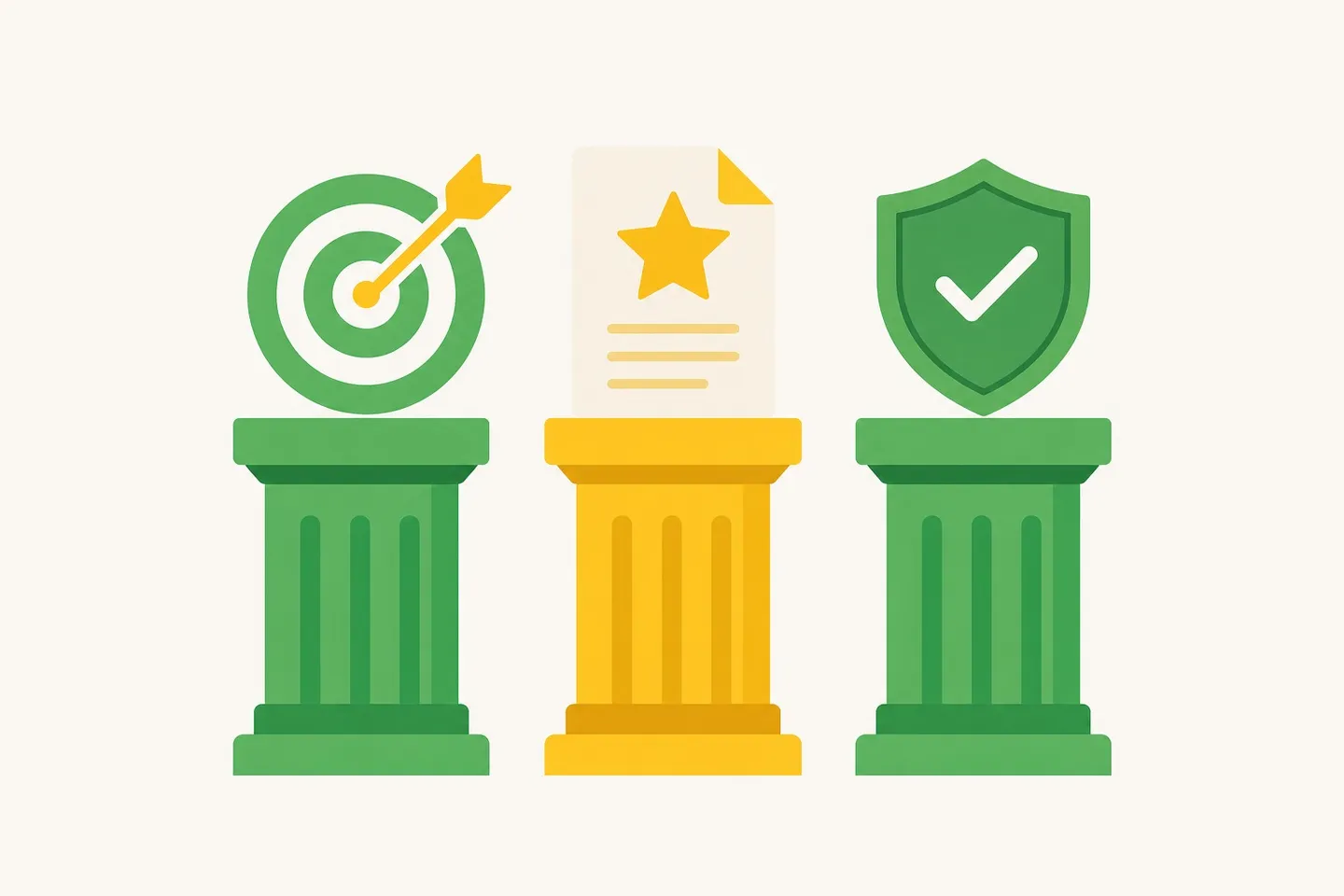
There are a few key factors that drive success in AI search and traditional search and act as the foundation of how it works.
1. Effective Brand Positioning in The Market
In order to have success online and in search your brand needs to be positioned in a way in which it offers specific value in your market. This means that your expertise as a brand, how you talk about yourself, how your brand and products are associated in the market, and where you sit in the market compared to competitors really matters.
It matters because when a brand is positioned well in a way in which they solve a specific problem for a specific segment of the market, they will get associated more with that segment and topics in the market. Then out of that positioning it will be clearer to AI tools what your brand is all about.
2. Uniquely Valuable Content & Topical Coverage
A brand’s content needs to provide original and unique value in order to be picked up, cited, and linked to around the web.
This usually includes real human experience, good structure and imagery, unique data, and differentiated perspectives. Now that everyone can use AI tools to create content, the value in content will come from unique information and display that only brands with real experience in their niche can create.
We can use AI to help us create content but I still think content that offers unique value will be the most authoritative.
It’s also important to mention that complete topical coverage for the topics your brand is associated with will provide content credibility and expertise allowing you to get cited more often.
3. Trust & Authority Signals Around the Web
These days and especially with AI search, a brand name needs to be mentioned, linked to, and cited around the web for the specific topics and products that they are associated with.
Links still play a role, but even more important now is just being mentioned and cited widely around the web for your specific niche topics so that AI assistants pick up your brand and products.
A few different places around the web worth getting mentioned:
- Quora
- Youtube
- Blogs
- News Sites
- Competitors
- Community events
4. AI Search Tracking
Besides tracking website traffic and rankings in standard search, AI tracking now includes mentions, citations, and visibility percentage in AI answers.
You can track some referral traffic from AI assistants in Google Analytics but it is a little more vague because a lot of the time users get an answer from an AI tool and then do a direct search in a browser to your brand website.
Creating Content That is AI Friendly
So how should we create content that is valuable but also AI friendly?
Here are a few main things to keep in mind:
1. Structure your content well
Use paragraphs, headings, bullets, tables, lists and other structural elements that make your content easy to read and easy to scan for AI bots.
Also, the more clean and well structured your website and content is with well thought out internal linking the easier it is for search and AI bots to understand and cite your information.
2. Use question based subheadings
AI queries are mainly long tail questions and if specific questions are addressed in your content in a way in which bots can clearly find them it helps AI to serve those answers to users.
3. Fill Topical Gaps
Make sure your content fills all the necessary topical gaps or covers all the supporting information that is needed in order to create a comprehensive piece of content on the topic.
In summary, AI models prioritize content that’s:
- Easy to scan
- Clearly segmented
- Answer focused
- Complete and uniquely valuable
- Structured with real world questions and factual formatting
How to Own Your Niche in AI Search

So how do you own your niche in AI and traditional search?
Below are the key factors needed:
1. Build Topical Authority AI can’t Ignore
You need to show AI that you know everything about your topic.
LLMs frequently cite multiple pages from the same domain in a single answer if that site demonstrates deep topical coverage.
Full topical authority usually includes in depth and unique pieces of content on every angle of your niche and you should avoid switching topics too fast, thin disjointed content, and ignoring supporting content for topic coverage.
2. Use Digital PR to Boost AI Visibility
LLMs want to surface content that has been referenced, cited, quoted, and mentioned around the web.
So the best thing to do is run PR or outreach campaigns with your most valuable pieces of content to get them out there and get them cited or known by other brands and influencers around the web.
The types of PR assets LLMs are most likely to surface include:
- Media coverage in leading blogs and news sources
- Original research or data studies
- Guest articles and thought leadership
- Roundup inclusion
- Podcast interviews
- Quote features in expert panels
Main Factors in Measuring AI Visibility

AI search tracking is slightly different from traditional search tracking.
Below are the key differences.
Traditional Search Tracking:
- Track rankings in search results pages
- Track website traffic from search results pages
- Track competitors search traffic and rankings
AI Search Tracking:
- Track brand mentions in AI answers
- Track citations in AI answers
- Track AI visibility share
- Tracking the prompts that trigger brand mentions
- Tracking the pages that are cited in AI answers
- Track competitors AI visibility share and brand mentions
- Track referral traffic from AI assistants
Overall, the main goal of AI search optimization and tracking is to get your brand mentioned and cited in AI answers and that is what we are mainly tracking.
One of the main differences is that AI search will not send as much referral traffic directly to your website because often AI gives an answer and then users will search directly in the browser to access your website.
A Simple AI SEO Process
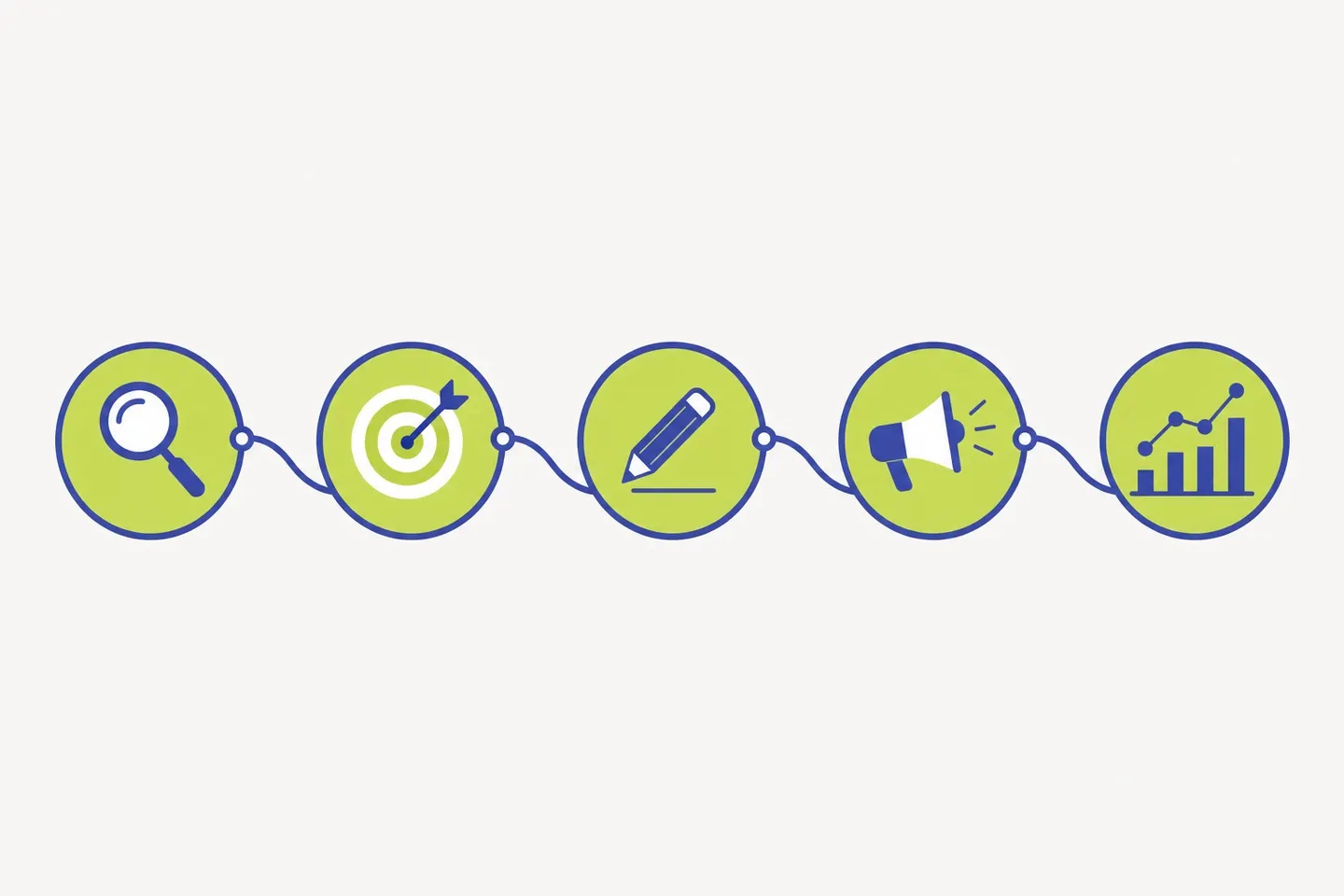
Now that we know a little bit about AI SEO and SEO in general we can follow a simple process to get AI SEO and traditional search results.
1. Audit Your Current AI and SEO Presence
The first step in starting AI SEO is doing an audit of your current website and brand metrics.
This would involve making a list of your main brand and product keywords as well as the core topics around these brand and product items.
This also involves making a list and generating the key prompts that people search around your main keywords in AI tools.
It helps to make a topical map of your business and products so you can narrow in on the topics, keywords, and prompts you need to cover in order to become an authority online in those niches.
It also helps to research competing brands to see how they are ranking and showing up in AI search.
So the audit would include the following variables:
- Keyword research
- Key AI prompts generation
- Topical map of your business
- Current site pages and topical coverage (sort pages based on topic)
- Key competitors analysis (traffic, main keywords, AI visibility share, site size and pages, valuable links and mentions)
- AI visibility metrics (brand mentions, prompts triggering mentions, pages cited, AI visibility share)
2. Identify 1 or 2 Focus Topics for The Quarter
Once an audit and analysis is done to determine where your brand and content gaps are, the next step is to decide which 1 or 2 topics that correlate with increased business value are most important to focus on.
It’s important to pick the content topics that relate to your businesses most valuable and profitable products or the topics that will drive the most impact for your brand.
It doesn’t make any sense to focus on creating new content and building new brand authority for topics that don’t drive any business value or impact.
These are the topics you want your brand to dominate in LLMs and search results.
So decide which topics and keywords to focus on and then tie these to a measurable business goal for the quarter.
Here are a few examples:
- Increase mentions in ChatGPT and Google AI for 3 key prompts
- Rank in the top 5 organic results for 2 supporting pages tied to the category
- Improve content score for 10 strategic pages
- Fill 80% of topic gaps surfaced in the topical map cluster
- Create one original data study that can be pitched for citations and mentions
3. Create and Optimize Content Around Your Chosen Topics
Once you dial in on the topics and gaps you need to cover, prioritize the 5-10 pieces of content around those topics that will develop topical authority and start building value for your brand around those keywords and prompts.
These could be new pages or they could also be current pages that are thin and not very valuable.
It’s important that your content provides value that is specific to what your brand can offer uniquely and includes quality images, structure, and data. If you want to use AI in helping to create the content just make sure it doesn’t take away from the unique value that only your brand can offer on those topics.
For example:
- 5 optimized pages that are currently live on the site in your topic
- 5 new pages that add depth to the topic and build authority
- 2 long form assets that we can pitch
Make sure the content is built with LLMs and search in mind. This means it’s easy to scan and understand, it has clear structure and headings, key questions and information is presented clearly and separately for LLMs to pick up.
AI Search Optimization briefs should include:
- A page objective (increase traffic for X prompt or keyword)
- Target prompts or keywords
- 2-3 example prompts and 1 keyword
- Suggested format (structure that will make it easy for AI to quote)
- Comparison tables
- FAQs
- Pros/cons
- Step by step
- Topical coverage expectations
- Pull in related terms of questions needed to cover
- Brand voice and notes
- Tone style guidance for writer
- Internal links to include, calls to action, or references
4. Support Your Content With Authority Building Assets & Outreach
Once your content is created and published it needs to get out there so that LLMs and search bots can pick up your improved topical depth and authority on the topics.
This means you should do some work promoting the new assets you created. There are a few different ways you could do this:
- Outreach to select blogs or websites that could feature you in a roundup
- Talk about and promote your content on Reddit or other social channels
- Pitching your article or your expertise on a certain topic to another online brand to feature
5. Monitor, Learn, Iterate
After auditing, selecting focus, creating content, and promoting content it’s time to monitor your AI visibility around the topics and your search keywords to see how they are moving.
The path forward is simply repeating this process and making changes based on what’s working and what is not.